

Health x technology: Magnetic stimulation activates neurons to target depression
Outlook on how the research at Aalto University is making therapy for depression easier, faster, and more personalised.

Advancing drug-free treatment for depression
Cortisys is developing autonomous, non-invasive stimulation of brain networks for advancing research and drug-free personalised care of neurological and mental health conditions, starting with depression.
Why networks matter
Our emotions, thoughts and behaviour emerge from communication between interconnected brain regions.
Depression is associated with changes in activity and connectivity across these networks.
Understanding those connections creates an opportunity to create therapeutic interventions for restoring brain function faster and more effectively.
The unmet need
Depression can make everyday life a struggle and debilitating. Existing treatments help many people, but the need for more effective, accessible care remains.
Medication often comes first, but finding one that helps can take repeated attempts. When it does not provide sufficient relief, brain stimulation offers an established treatment option.
Transcranial Magnetic Stimulation (TMS) delivers non-invasive electromagnetic pulses to targeted brain regions. Research into brain networks points towards a new opportunity: personalising where, when and how multiple regions are stimulated.
Cortisys enables fast electronic switching between nearby targets and integrates robotic guidance with the aim of making personalised stimulation easier to deliver to more patients. This technology opens a new paradigm for understanding and caring for the brain.
Cortisys platform
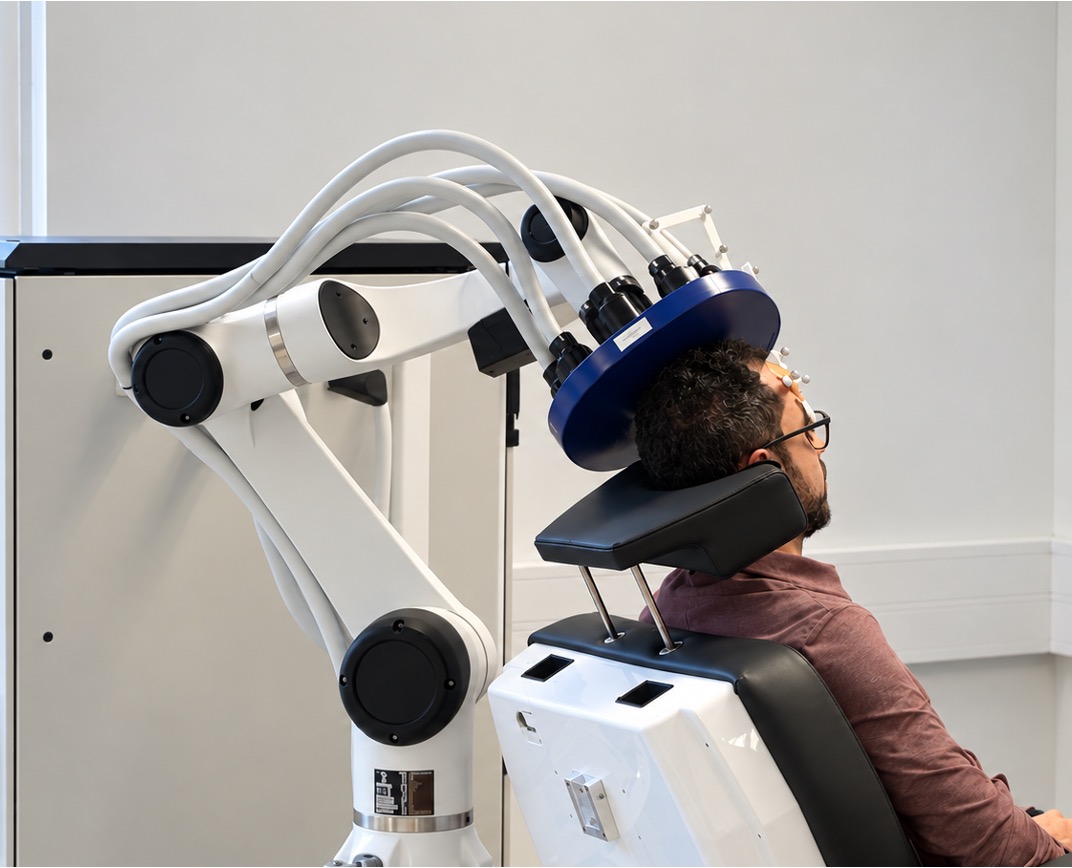
Cortisys leverages multiple coils to flexibly control the spatial spread of stimulation. For the first time, end points of brain networks can be activated at the speed of neuronal communication, within milliseconds.
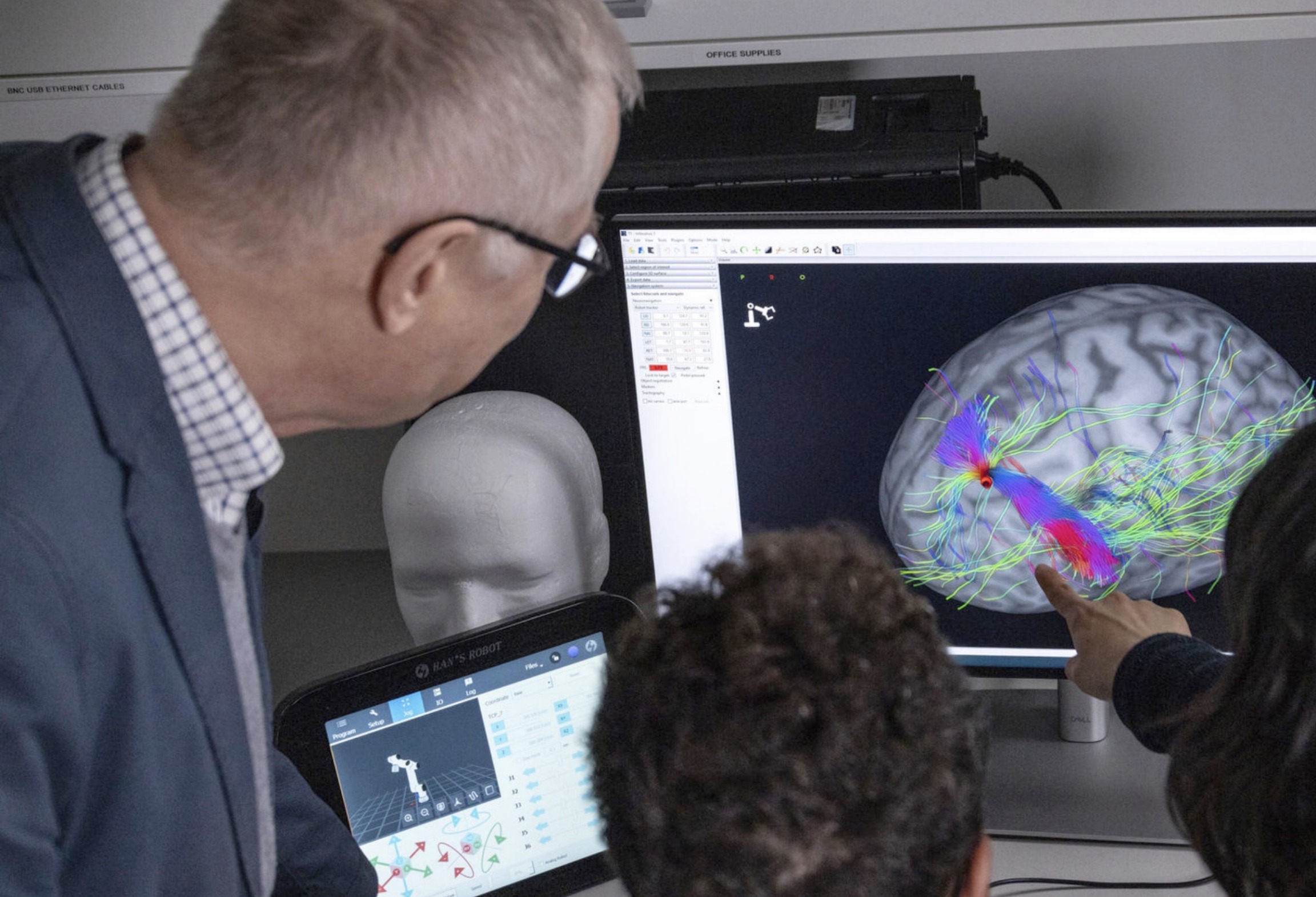
Brain images guide target planning. This connects the protocol to each participant’s anatomy, supporting consistent delivery across sessions with robotic precision.
The platform is designed to treat depression and other disorders by restoring healthy brain function, with AI-ready, individualized, and autonomous protocols.
Solid foundation
Latest frontier in neuroscience
Depression involves several brain networks at once :: cognitive control, default mode, reward and affective. Traditional TMS can only reach one node at a time. Cortisys mTMS covers the network.
Team
Founded in 2025 out of Aalto University (Finland) from decades of dedicated research with its international partner institutions.

MBA. Ex-CEO BIOCentre, Ex-CEO Institute of Imunology (Croatia), and Ex-Elekta Neuroscience. 15+ years in the MedTech industry, 20+ years in NeuroTech.

15+ years in NeuroTech. Led R&D teams from concept to deploy. Expert in neurostimulation and neuroimaging. 4 years admin in Google SoC.

Key opinion leader with 30+ years in NeuroTech. Founder and ex-CEO of Nexstim Plc. Inventor of TMS–EEG and multi-locus TMS. Raised €25M+ in research funding.

15+ years in industry and 7+ years in NeuroTech. Expert in power electronics. Designer of the multi-locus TMS electronics, deployed in 4 countries.
Backed and hosted by


In the news
Outlook on how the research at Aalto University is making therapy for depression easier, faster, and more personalised.
Research at Aalto on stimulating the brain's networks with mTMS — the work Cortisys is built on.
From the research group behind Cortisys: reading and writing the brain across the same untouchable distance.
The platform, the team and the numbers behind the HAX 2025 seed cohort company.
Contact
